View Our Options
Funeral Services
Funeral Services
A funeral service, whether traditional or more modern (memorial service or celebration-of-life), has two functions: to acknowledge the death and lifetime achievements of an individual and to bring grieving family members and friends together in support of one another during this difficult time.
One of our main missions is giving your loved one a final tribute they deserve. Contrary to common belief, funeral services are not all the same. They can take on many different formats and styles. We can plan and execute funeral ceremonies that follow very traditional practices to those that take on less formal, more unique styles. We work with you to create the funeral service that best honors your loved one’s life, allows the best way for you to say goodbye, meets your family's specific wishes, and fits within your financial budget.
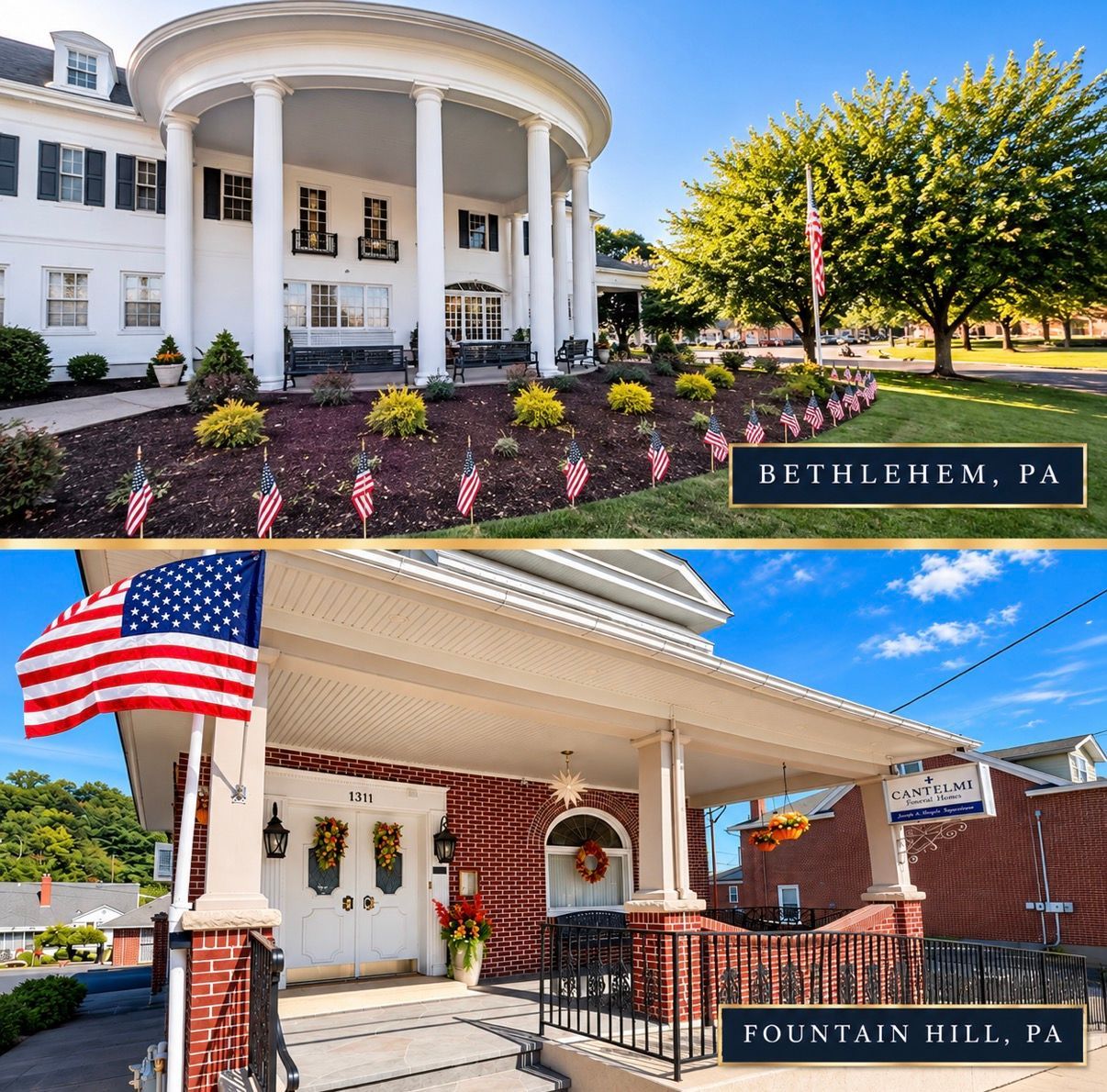
We have years of experience in this industry, and we take pride in offering families quality and affordable funeral services in Bethlehem & Fountain Hill, PA. We hope to help as many families in need as we can as their Pennsylvania funeral service provider, and we promise to help each and every family member heal as they embark on their journey with grief. On this page, we have provided a breakdown of the traditional funeral process included in the services we offer as well as a brief history and overview of what a funeral is.
If you have any questions about our funeral services, please feel free to contact us.
Funeral Service Options
All we need to do is say the word "funeral" and within microseconds, you have an image in your mind of what a funeral looks like. This mental image comes from many sources: the geographical place, culture and society in which we live; our faith; our life experience. Obviously then, a funeral service in Bethlehem would look very different from one held in Tanzania; there are even significant differences between the funerals held in ethnically and/or geographically diverse regions of North America.
Yet, despite the differences, these funeral services have much in common. We invite you to read further to learn the really simple answer to the question "what is a funeral?" Should you have questions about what you read here, we encourage you to call us. One of our funeral professionals will be delighted to explore the commonalities behind the wide spectrum of funeral ceremonies seen around the world.
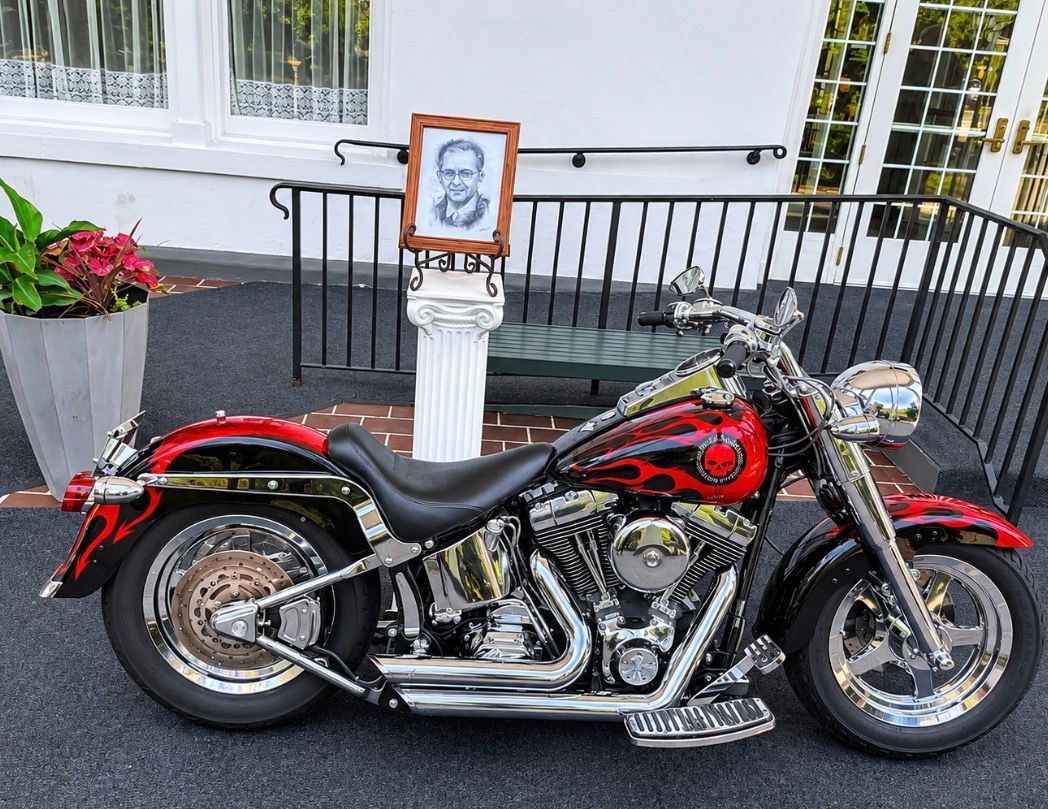
Funeral Service for a Motorcycle Enthusiast
Button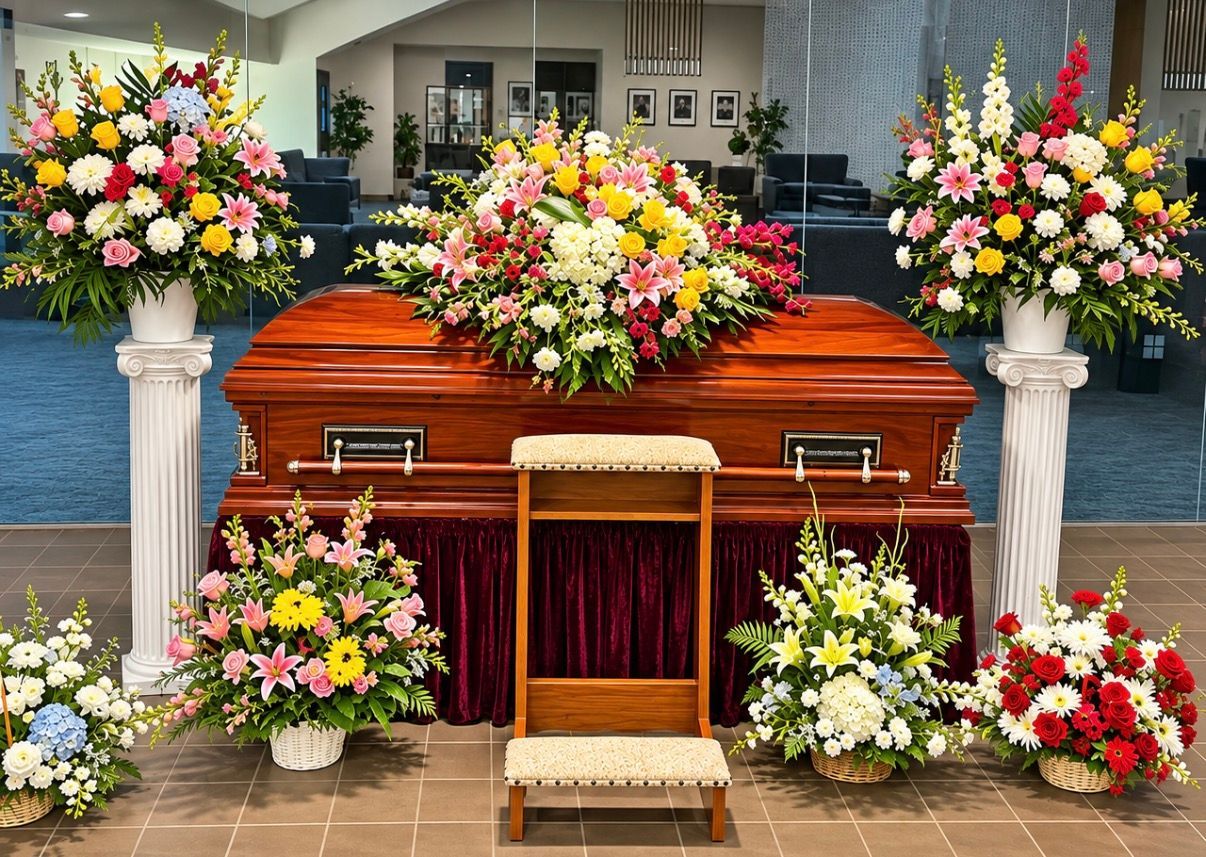
A Traditional Funeral Service in Bethlehem
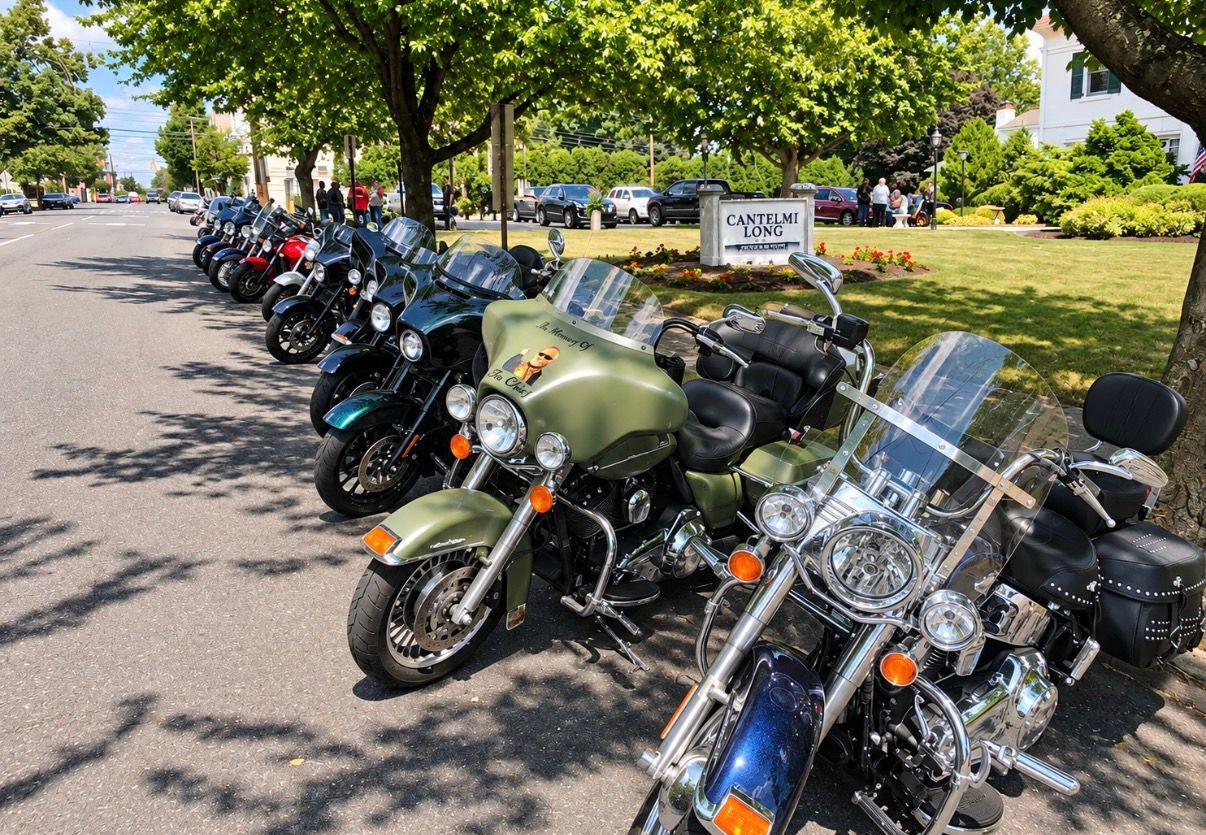
Funeral Service for a Motorcycle Enthusiast
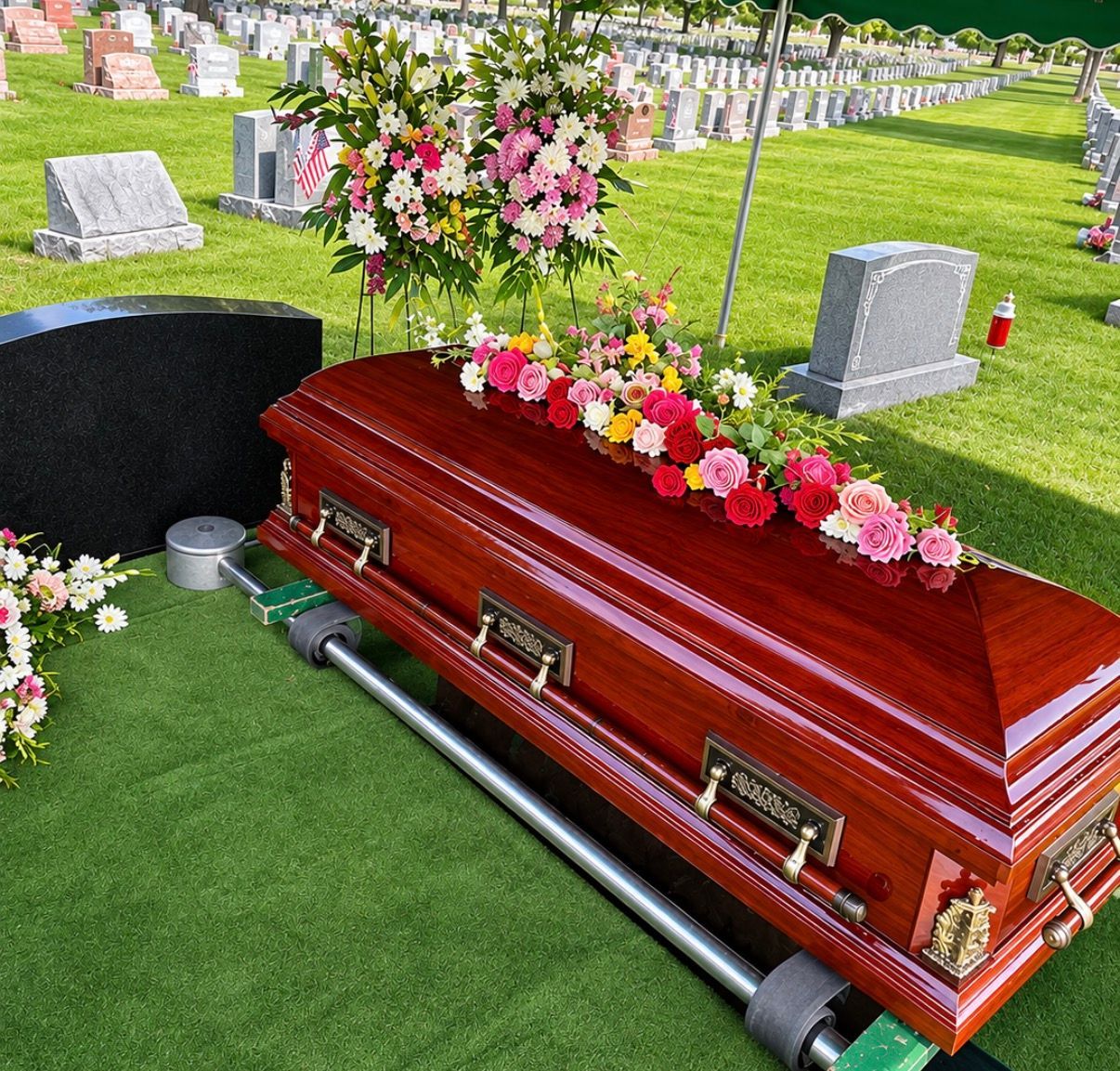
Graveside Funeral Service in Bethlehem
How Do Funerals Work?
No matter where it's held, a traditional funeral service is a structured ceremony, with a beginning, middle and end. Each is intended to engage the living participants in activities which will transform their status within the community, provide mourners with a collective grieving experience, and celebrate a life lived. It's a socially-acceptable way for members of a community to re-affirm and express their social attachments.
Anthropologists label a funeral as a rite of passage, which affects everyone involved–including the deceased. His or her social status changes dramatically, from a living contributing member of the community to one whose contributions are in the past, and relegated to memory. But the status of each of the survivors—the immediate family most especially—has also changed. In fact, the funeral service can be the start of a defined period of mourning for bereaved family members, marking this transition in a uniquely identifiable way.
It could be said then, the focus of a funeral—no matter where, no matter when—lies in acknowledging change. And without doubt, human beings (as individuals and as a community) have trouble dealing with profound changes like the death of an integral member of the group. When you take this perspective, it becomes easier to understand the importance of ceremonially acknowledging the tear in the social fabric and the symbolic restoration of its integrity.
Components of a
Traditional Funeral Service
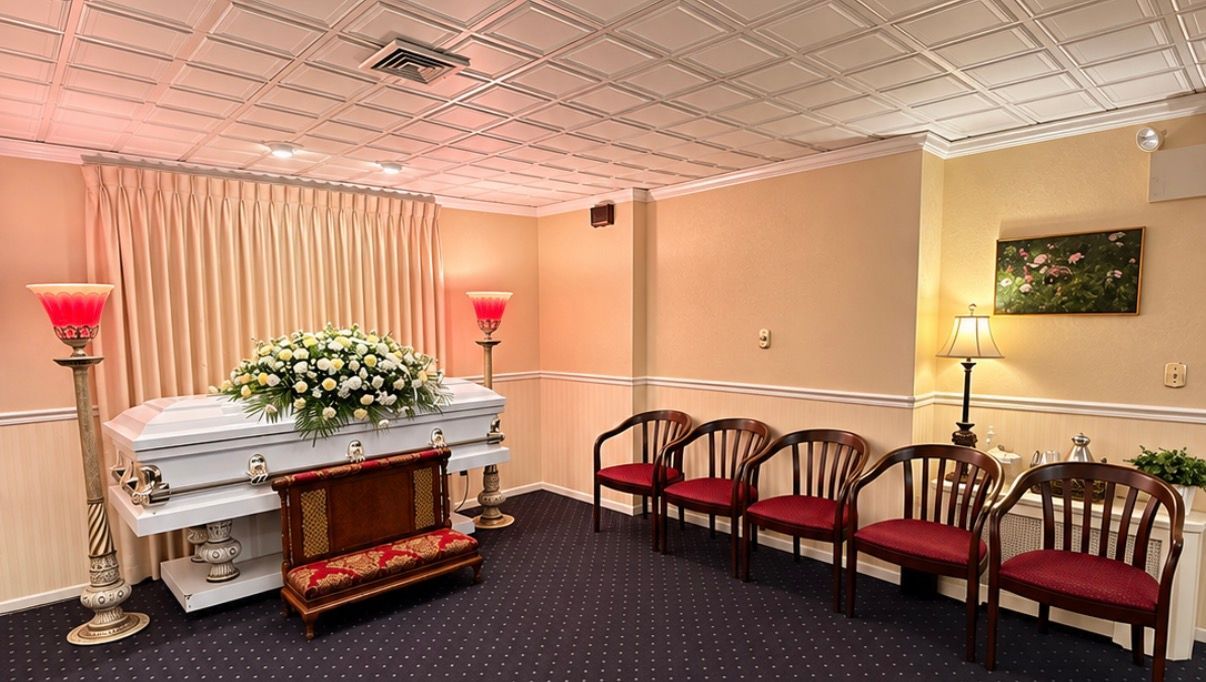
Visitation
This is often called a viewing or a wake. Guests come to pay their respects to the deceased by viewing their body and spending time with the grieving family. A visitation can occur at any time before the funeral service.
Funeral Service
This event commonly takes place at the funeral home, a church, or at the graveside. It can include music, the reading of literary or religious passages, a eulogy, prayer, and the singing of hymns.
Committal Service
If the family plans to bury the deceased, this stage involves the vehicle procession to the cemetery.
Funeral Reception
Many choose to host this post-service gathering (or repast) at a reception hall. This is considered a time to share memories, laughter, and support.
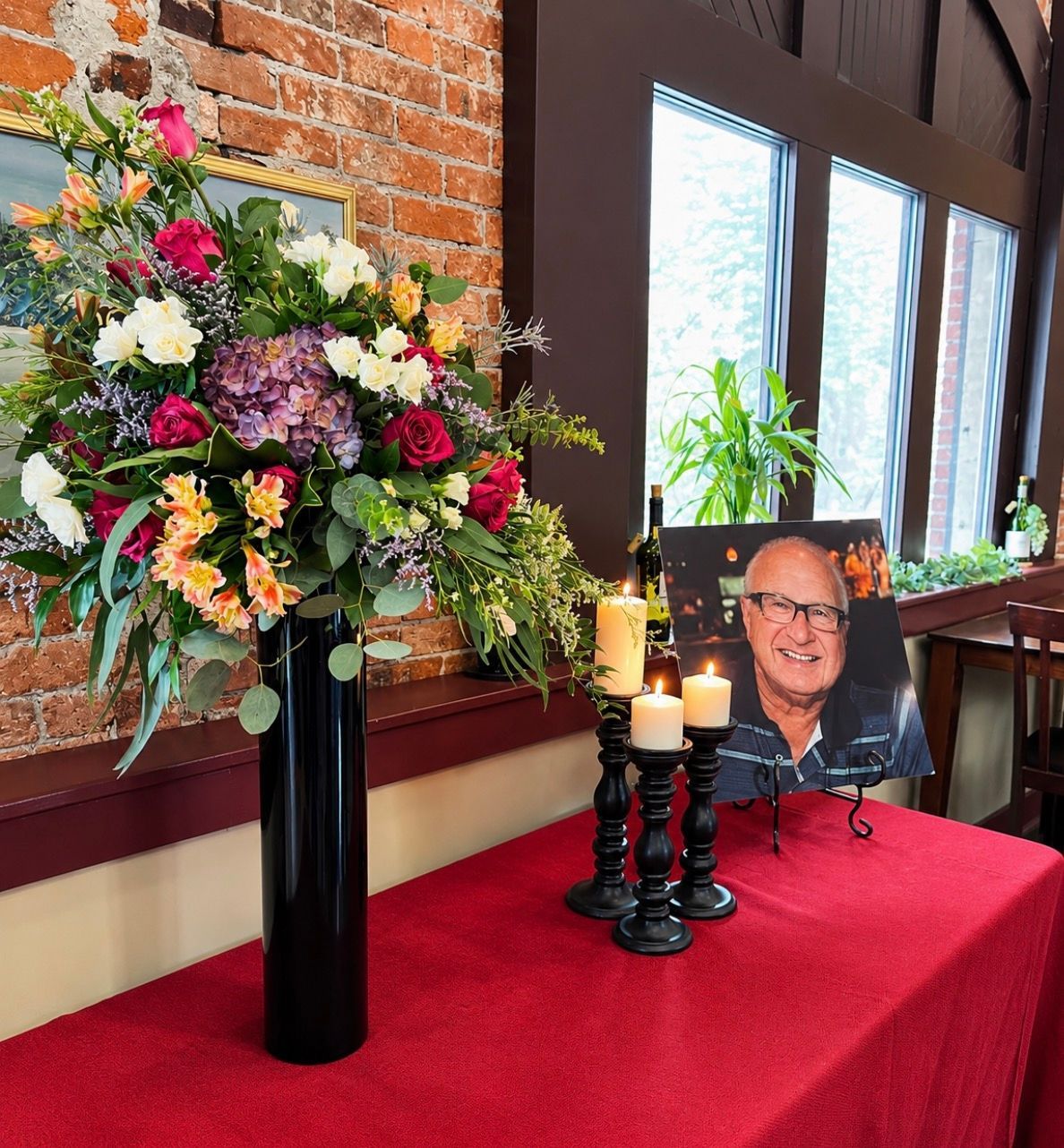
No matter where it's held, a traditional funeral service is a structured ceremony, with a beginning, middle and end. Each is intended to engage the living participants in activities which will transform their status within the community, provide mourners with a collective grieving experience, and celebrate a life lived. It's a socially-acceptable way for members of a community to re-affirm and express their social attachments.
Anthropologists label a funeral as a rite of passage, which affects everyone involved–including the deceased. His or her social status changes dramatically, from a living contributing member of the community to one whose contributions are in the past, and relegated to memory. But the status of each of the survivors—the immediate family most especially—has also changed. In fact, the funeral service can be the start of a defined period of mourning for bereaved family members, marking this transition in a uniquely identifiable way.
It could be said then, the focus of a funeral—no matter where, no matter when—lies in acknowledging change. And without doubt, human beings (as individuals and as a community) have trouble dealing with profound changes like the death of an integral member of the group. When you take this perspective, it becomes easier to understand the importance of ceremonially acknowledging the tear in the social fabric and the symbolic restoration of its integrity.
Traditional Funeral Services in Pennsylvania
For families and individuals living in the Bethlehem, Allentown, or Fountain Hill, PA regions (as elsewhere in the nation), a funeral service can mean many things. Some fall back on what is commonly called a "traditional funeral"; others see that same traditional service as an emotionally unfulfilling event. Fortunately, thanks to a number of unique social forces, there are alternatives. Today, end-of-life commemorative services range from the traditional funeral to a memorial service and the increasingly popular celebrations-of-life. If you have yet to realize the immense value of such a collective acknowledgement of loss, reach out to us. Call to speak with one of our experienced funeral service professionals.
Preplanning a personalized funeral or burial service with our burial and funeral insurance plans also allows you time to understand the process and make clear choices that are right for you and your loved ones.
Our funeral home staff in Bethlehem, PA would happily guide you through the funeral process and help you review your options in Bethlehem. Call us at (610) 866-8059 for assistance today.